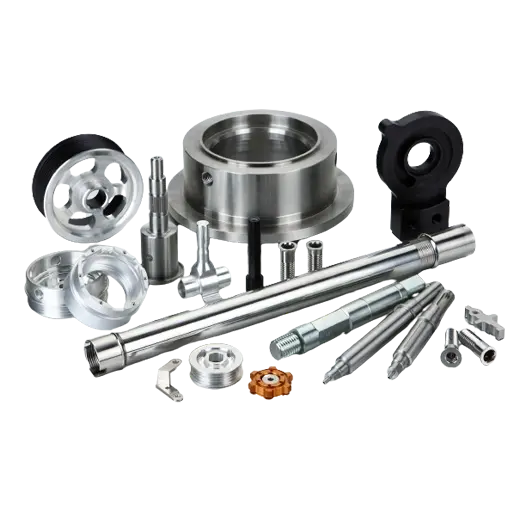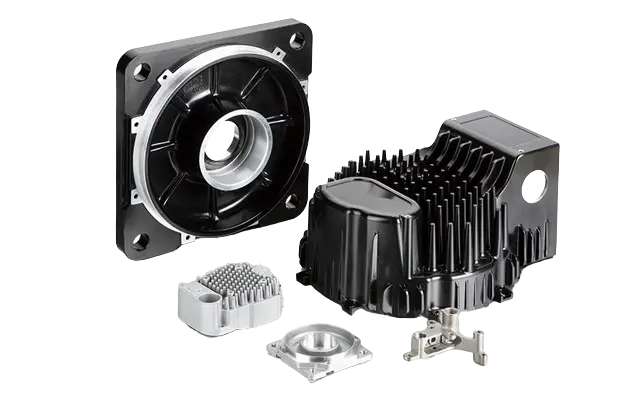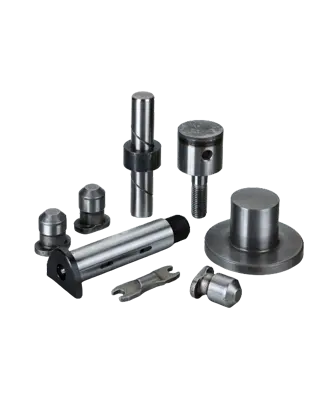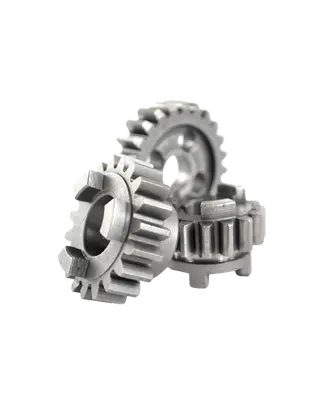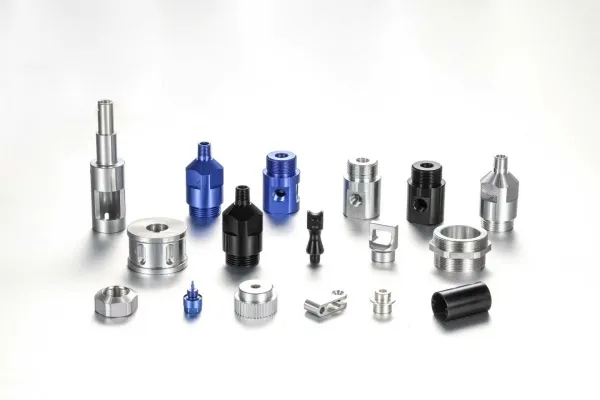
The final process can make a big difference in how a precision CNC machined part performs in the field.
Surface treatment isn't simply about appearance. It directly affects material hardness, corrosion resistance, wear resistance, dimensional stability, and overall service life. Two identical parts machined from the same alloy can fail or succeed entirely based on the finishing process applied.
For custom non-standard parts, choosing the right finishing process starts with understanding four key factors: base material, operating environment, functional requirements, and expected service life.
Here is an engineering overview of the most common surface treatment options and how to choose the right one for your application.
Heat treatment modifies the physical and mechanical properties of a metal without changing its shape. It uses controlled heating and cooling cycles to alter the material’s microstructure.
Key Benefits: Increases surface and core hardness, improves yield strength, enhances fatigue resistance, and relieves internal stresses caused by CNC machining.
Common Methods: Quenching and Tempering, Case Hardening (Carburizing), Annealing, and Stress Relieving.
Best Used For: High-load structural components, gears, shafts, fasteners, and heavy-duty industrial machinery parts made of carbon steels or alloy steels (e.g., 4140, 4340, 8620).
Surface coatings and conversion coatings provide a protective barrier against moisture, chemicals, and oxidation while maintaining tight dimensional tolerances.
Anodizing is an electrochemical process that converts the metal surface into a durable, corrosion-resistant anodic oxide finish.
Type II (Decorative/Standard): Provides basic corrosion and wear resistance with options for clear or color dyeing (black, blue, red, etc.).
Type III (Hardcoat Anodizing): Creates a much thicker and denser oxide layer, ideal for high-wear applications.
Best Used For: Lightweight aerospace components, medical enclosures, electronic housings, and automotive brackets made from 6061, 7075, or 5052 aluminum.
Deposits a thin layer of metal onto the substrate using an electrical current.
Nickel/Electroless Nickel: Offers exceptional corrosion resistance and highly uniform thickness across complex geometries.
Zinc Plating: A cost-effective solution for corrosion protection on steel parts.
A conversion coating that creates a dark, non-reflective finish with minimal impact on part dimensions (less than 1 micron thickness change).
Best Used For: Tooling, jigs, fixtures, and internal mechanical parts where maintaining tight tolerances is critical.
Powder coating involves applying a dry polymer powder electrostatically and curing it under heat to form a hard, durable skin.
Key Benefits: Superior resistance to chipping, scratching, fading, and chemical exposure compared to liquid paint. It can also cover minor surface imperfections from machining.
Considerations: Adds noticeable thickness (typically 50–120 microns), so critical machined threads and precision tolerance holes must be masked during the process.
Best Used For: Sheet metal enclosures, structural frames, outdoor equipment, and visible consumer hardware.
QPQ is a specialized salt bath nitrocarburizing process that combines thermal treatment with chemical surface modification.
Key Benefits: Delivers an exceptional combination of extreme surface hardness (often exceeding HRC 60+), low coefficient of friction, and outstanding corrosion resistance (often surpassing hard chrome or stainless steel in salt spray testing).
Minimal Distortion: Because it operates at lower temperatures than conventional quenching, it causes virtually no dimensional distortion on precision machined parts.
Best Used For: Demanding applications exposed to severe environments, such as marine hardware, railway signaling gear, hydraulic valves, and automotive powertrain components.
When evaluating surface treatments for custom non-standard CNC parts, consider the following decision framework:
Operating Environment: Will the part be exposed to saltwater, high humidity, UV light, or aggressive chemicals? (Choose QPQ, Anodizing, or Stainless Steel Passivation).
Mechanical Wear & Friction: Is the part a moving component subject to constant friction? (Choose Heat Treatment, Hard Anodizing, or QPQ).
Dimensional Tolerances: Does the process add thickness that could affect assembly? (Use Black Oxide or Electroless Nickel for tight tolerances; mask critical areas for Powder Coating).
Budget & Volume: Balance the unit cost of specialized treatments against the required service life of the end product.
Same part. Different surface treatment. Different performance. Different service life.
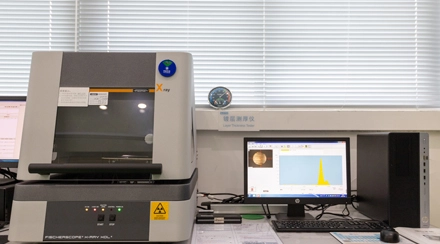
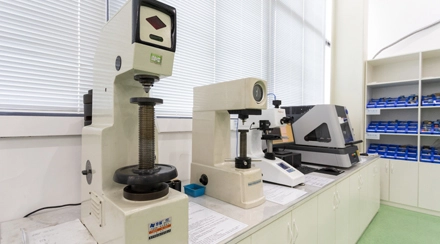
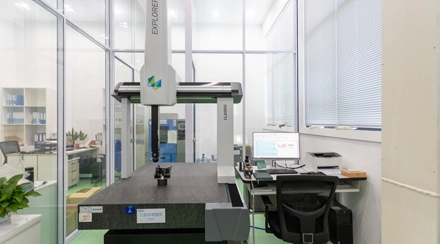
At BulkTEK, quality is built into every stage of manufacturing — from initial DFM analysis and multi-axis CNC machining to precision surface finishing and final CMM inspection. We eliminate the risk of dealing with multiple unverified subcontractors by managing your entire production cycle under strict quality systems.
Our Certified Quality Management Standards:
IATF 16949 — Automotive Quality Management System
ISO 9001 — Quality Management System
ISO 14001 — Environmental Management System
ISO 45001 — Occupational Health and Safety
Serving OEM customers across Europe and North America with custom precision parts, rapid prototyping, and scalable manufacturing solutions.
Need Expert Guidance on Your Next Project?
Upload your 2D or 3D CAD drawings (STEP / IGES / PDF) to our engineering team today for a fast quote and comprehensive DFM evaluation.
Email: sales@bulktek.com
Website: [www.bulktek.com]
This is the last one.
 English