In the precision manufacturing landscape, choosing the right machining method is often the key to achieving stable dimensional accuracy, production efficiency, and cost control. For companies in automotive, industrial machinery, consumer electronics, and custom metal components, understanding the difference between CNC machined parts and automatic lathe parts helps determine which process better aligns with project requirements.
At BulkTEK, these two machining technologies are used extensively across our production lines, but their applications and strengths differ significantly. While both processes are capable of producing high-precision components, factors such as geometry complexity, production volume, lead time, and material characteristics often influence which method is more suitable.
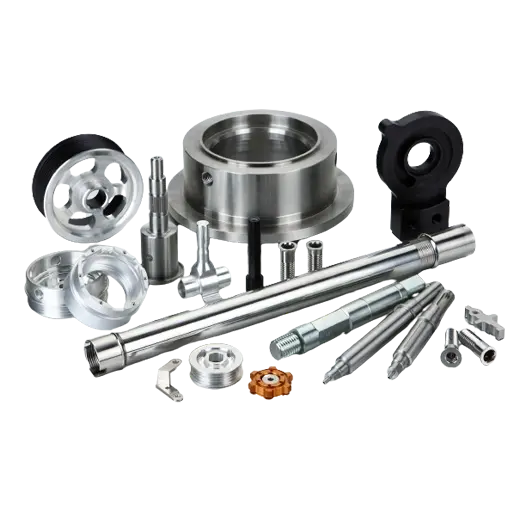
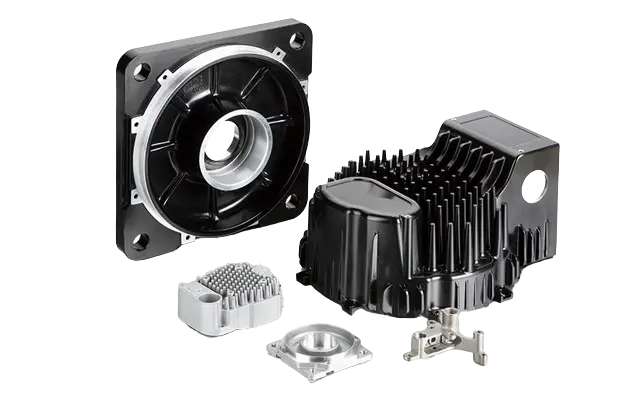
CNC (Computer Numerical Control) machining relies on multi-axis equipment—such as CNC milling machines and CNC turning centers—that follow programmed toolpaths to shape material. This allows tool movement in multiple directions, enabling highly complex geometries.
CNC machined parts are generally ideal for:
Multi-surface features
3D contours
Deep cavities
Complex pockets and slots
Prototyping and low-to-medium production volumes
The flexibility of CNC machining allows engineers to iterate quickly, revise toolpaths, and adapt to design changes without altering the machine configuration.
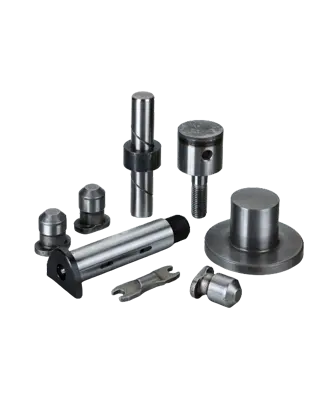
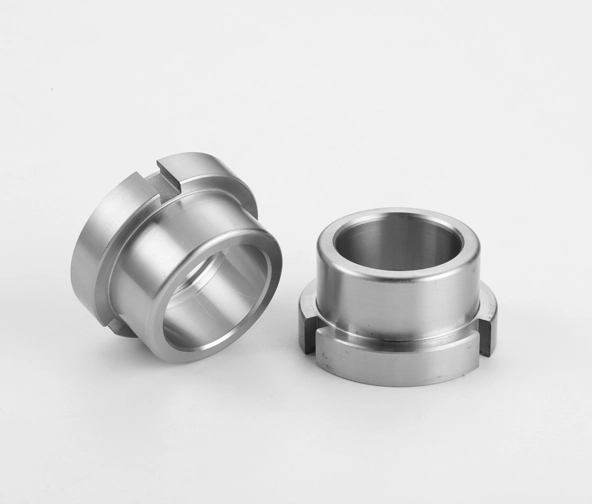
Automatic lathes (sometimes referred to as cam-type lathes or automatic screw machines) specialize in high-speed turning operations. These machines are optimized for producing cylindrical or rotational components with tight tolerances at scale.
Automatic lathe parts commonly include:
Shafts
Pins
Threaded fasteners
Bushings
Connector bodies
Precision round components
Automatic lathes excel in repeatability and speed, making them ideal for large-batch production where part geometry is primarily axial.
To clearly understand the difference between CNC machined parts and automatic lathe parts, the table below outlines major distinctions across performance, geometry, volume, and cost considerations:
| Aspect | CNC Machined Parts | Automatic Lathe Parts |
|---|---|---|
| Geometry Capability | Complex 3D shapes, multi-face machining, prismatic parts | Cylindrical geometries, rotationally symmetric components |
| Axes & Flexibility | 3-axis, 4-axis, 5-axis | Primarily 2-axis with optional secondary operations |
| Production Volume | Best for small to medium batches | Ideal for medium to high-volume runs |
| Setup Time | Lower setup complexity; programming-driven | Higher mechanical setup for traditional cam-lathes; CNC automatic lathes reduce this |
| Cycle Time | Slower per piece due to multi-directional machining | Very fast cycle times, optimized for speed |
| Tolerance Control | Excellent for complex tolerances | Exceptional for diameters and roundness |
| Cost Efficiency | Higher unit cost at high volumes | Very competitive cost for large runs |
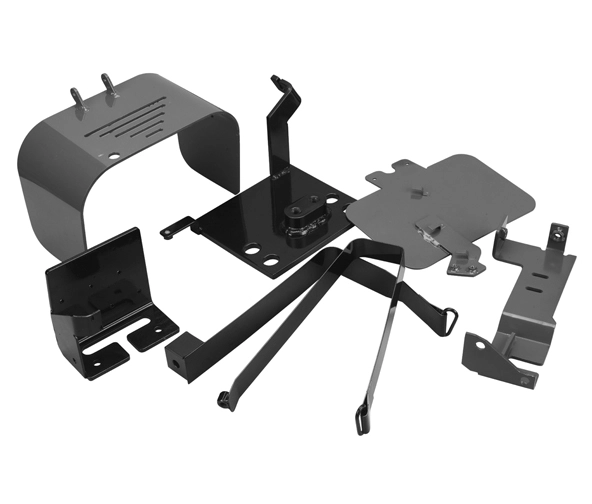
| Application Examples | Housings, fixtures, brackets, structural prototypes | Screws, pins, shafts, bushings, contact terminals |
CNC equipment handles a broad spectrum of materials due to its structural rigidity and multi-tool capabilities. These include:
Aluminum alloys
Stainless steel
Tool steels
Copper and brass
Engineering plastics (POM, PA, PEEK)
High-performance alloys (Ti, Inconel)
This makes CNC ideal for applications requiring specialized materials or hybrid structural features.
Automatic lathes most commonly process:
Free-cutting steel
Copper and brass
Aluminum
Stainless steel for precision shafts
Mild steel
Their tooling and feeding systems are optimized for round stock, ensuring stable chip control, consistent surface finish, and predictable tolerance outcomes.
Accuracy is achievable through both processes, but their strengths differ.
Excellent for multi-dimensional tolerance stacking
Capable of achieving fine surface finishes with milling and turning hybrid operations
Better suited for complex functional features such as sealing surfaces, precision bores, and multi-angle faces
Exceptional for roundness, concentricity, and straightness
High repeatability in mass production due to consistent feed mechanisms
Smooth turning finishes without additional processes
Ideal for components that require tight axial tolerances
The economics of choosing between CNC machined parts and automatic lathe parts depends heavily on part geometry and volume.
Low-volume, high-complexity components
Rapid prototype development
Parts requiring multi-face machining
Projects with evolving designs, where flexibility is essential
High-volume cylindrical components
Fast cycle time requirements
Applications with strict repeatability demands
Parts with standardized rotational features requiring minimal secondary machining
At BulkTEK, both technologies are integrated to support wide-ranging customer needs.
Automotive brackets and sensor housings
Aerospace-grade structural components
Industrial automation assemblies
Precision aluminum enclosures
High-strength prototypes requiring rapid iteration
Electrical connectors and threaded terminals
Automotive pins and fasteners
Pneumatic and hydraulic fittings
Stainless steel shafts and miniature bushings
Mass-produced mechanical components with rotational symmetry
This combination allows BulkTEK to maintain flexibility while providing cost-effective precision across multiple sectors.
When comparing CNC machined parts and automatic lathe parts, manufacturers must balance several factors:
✔ Geometry complexity
✔ Required accuracy
✔ Production quantity
✔ Material type
✔ Budget and delivery timeline
For example:
A low-volume, multi-surface aluminum bracket is a textbook CNC application.
A high-volume stainless steel pin or threaded component is ideal for an automatic lathe.
Many projects require hybrid processing—initial shaping on a lathe, followed by CNC milling for secondary features. BulkTEK frequently combines these workflows to deliver optimized results.
Understanding the difference between CNC machined parts and automatic lathe parts is essential for selecting the most cost-effective and technically appropriate manufacturing approach. CNC machining offers unmatched flexibility and complexity capability, while automatic lathes deliver high-speed efficiency and exceptional repeatability for round components.
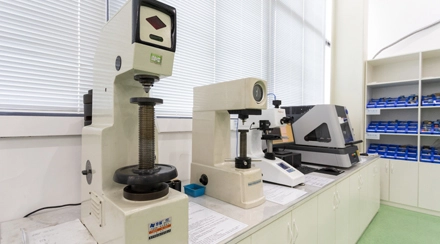
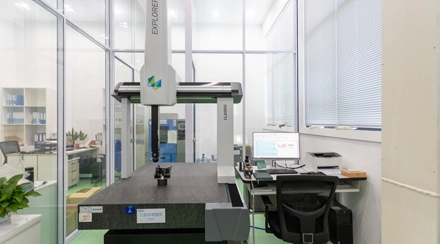
At BulkTEK, our engineering team evaluates each component’s geometry, tolerance demands, and volume requirements to determine the best production strategy. By integrating both machining technologies—supported by rigorous quality control, stable equipment platforms, and experienced technicians—we help customers achieve reliable, precision-driven results across every project.
 English