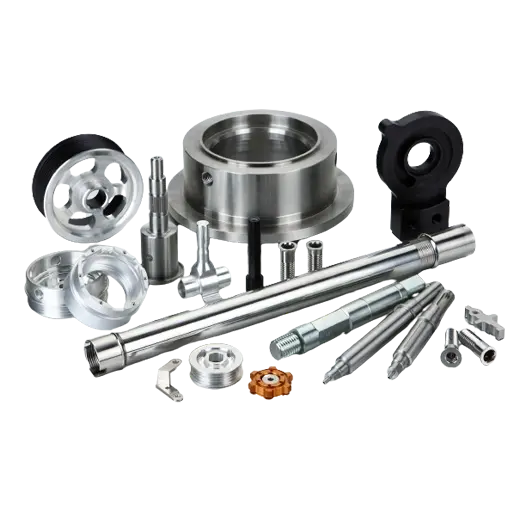
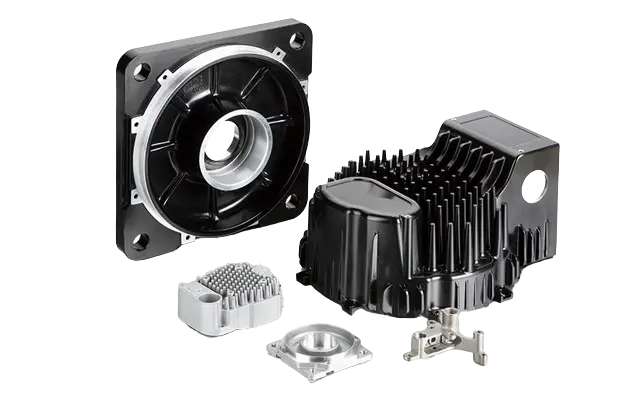
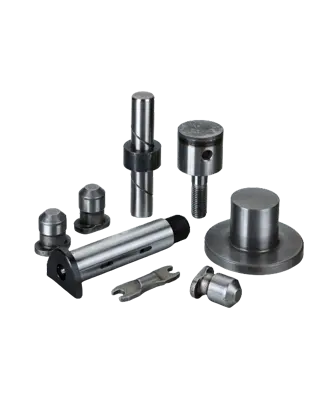
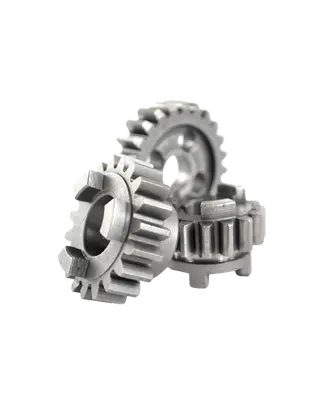
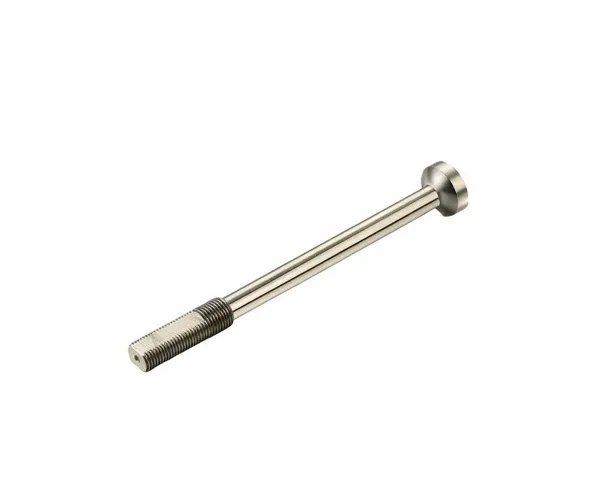
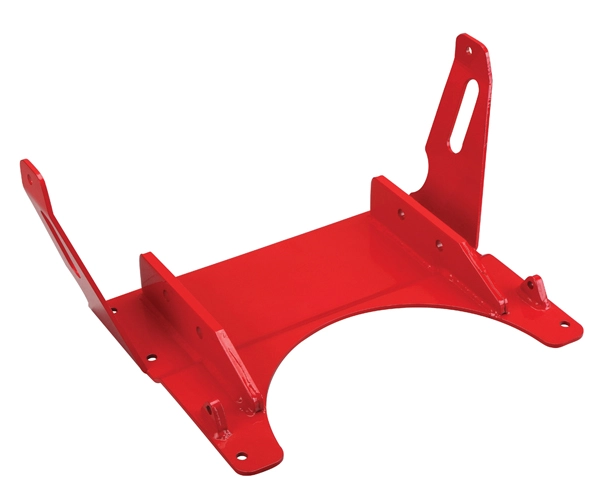
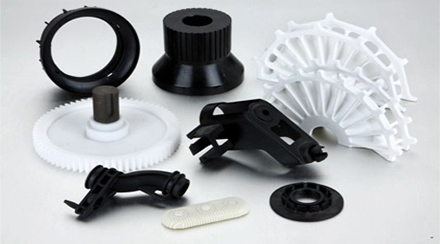
The medical industry demands one thing above all else: precision. From surgical instruments and orthopedic implants to diagnostic equipment and robotic surgery systems, every component must meet strict tolerances, superior surface finishes, and uncompromising reliability. This is where medical machining parts play a critical role.
As healthcare technology advances, the demand for high-precision custom components continues to rise. Manufacturers must not only produce accurate parts but also comply with stringent industry standards related to biocompatibility, cleanliness, durability, and traceability.
Medical machining parts are precision-engineered components manufactured for medical devices, surgical tools, implants, laboratory equipment, and healthcare systems using advanced machining technologies such as CNC milling, CNC turning, Swiss machining, and micro machining.
| Feature | Requirement |
|---|---|
| Precision | Ultra-tight tolerances |
| Material Quality | Biocompatible and corrosion-resistant |
| Surface Finish | Smooth, burr-free, easy to sterilize |
| Traceability | Full production documentation |
| Reliability | Long-term dimensional stability |
| Compliance | ISO and medical manufacturing standards |
Because patient safety depends on component performance, machining medical parts requires advanced engineering expertise and strict quality assurance systems.
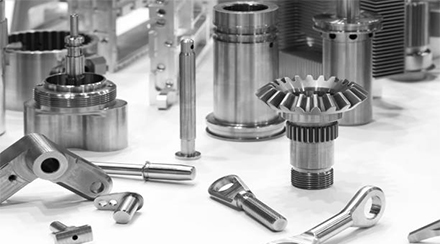
Material selection is one of the most important aspects of medical component manufacturing. The ideal material depends on the application, sterilization requirements, mechanical strength, corrosion resistance, and biocompatibility.
Titanium is one of the most widely used materials for medical machining parts because of its excellent strength-to-weight ratio and biocompatibility.
Highly corrosion-resistant
Lightweight and strong
Excellent compatibility with human tissue
Ideal for implants
Bone screws
Joint replacements
Dental implants
Surgical instruments
Medical-grade stainless steel remains a popular option due to its durability and cost-effectiveness.
High strength
Excellent corrosion resistance
Good machinability
Sterilization resistant
Surgical tools
Medical housings
Clamps and forceps
Orthopedic devices
Popular grades include:
304 stainless steel
316L stainless steel
17-4 PH stainless steel
Aluminum is often used for lightweight medical equipment components.
Lightweight
Excellent machinability
Cost-effective
Good thermal conductivity
Medical device enclosures
Imaging equipment
Electronic housings
PEEK is a high-performance engineering plastic commonly used in medical applications.
Biocompatible
Chemical resistant
Lightweight
Radiolucent
Spinal implants
Dental devices
Surgical instrument handles
These alloys offer superior wear resistance and strength.
Knee implants
Hip replacements
Dental prosthetics
Their hardness makes machining more challenging, requiring advanced tooling and expertise.
Modern medical devices rely heavily on CNC machining technologies that can achieve micron-level precision and repeatability.
CNC milling removes material using rotating cutting tools to create complex geometries.
High dimensional accuracy
Multi-axis capability
Excellent repeatability
Suitable for complex parts
Surgical instrument components
Implant prototypes
Device housings
CNC turning is ideal for cylindrical medical components.
Shafts
Pins
Connectors
Bone screws
High-speed turning centers allow manufacturers to produce precise rotational components efficiently.
Swiss machining is widely used for small, intricate medical components requiring ultra-tight tolerances.
Exceptional precision
Ideal for micro components
Reduced vibration
Excellent surface finishes
Catheter components
Miniature screws
Dental parts
Implantable devices
Micro machining enables the production of extremely small medical parts with micron-level accuracy.
This process is increasingly important in minimally invasive surgical devices and advanced diagnostic systems.
EDM is used for complex geometries and hard materials that are difficult to machine conventionally.
Burr-free machining
High precision
Suitable for titanium and cobalt chrome
Medical machining parts are essential to the performance, safety, and reliability of modern healthcare devices. From surgical tools to advanced implants, precision machining enables the production of components with exceptional accuracy and consistency.
As medical technology continues to advance, manufacturers need experienced partners capable of delivering high-quality, precision-engineered solutions.
As a trusted medical parts supplier, BulkTEK provides advanced CNC machining capabilities, strict quality control, material expertise, and scalable manufacturing solutions for demanding medical applications.
For companies seeking reliable machining medical parts services, choosing a precision-focused manufacturing partner is critical to achieving long-term product success.
Medical machining requires significantly tighter tolerances, stricter quality control, enhanced traceability, and higher cleanliness standards compared to standard industrial machining. Medical components must also comply with biocompatibility and sterilization requirements.
Yes. CNC machining is widely used for rapid medical prototyping because it provides fast turnaround times, excellent precision, and production-grade materials.
Titanium and certain medical-grade stainless steels are among the most commonly used materials due to their biocompatibility, corrosion resistance, and mechanical strength.
 English