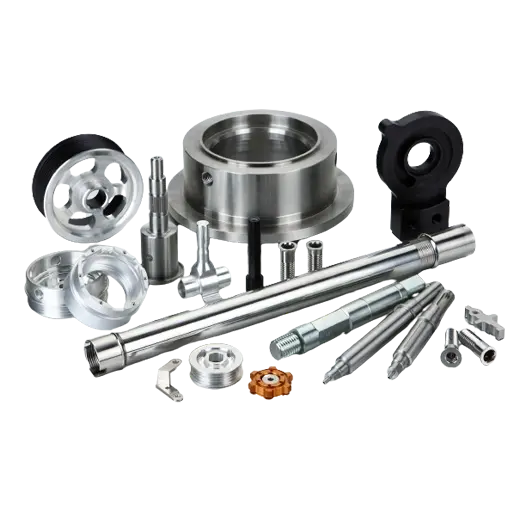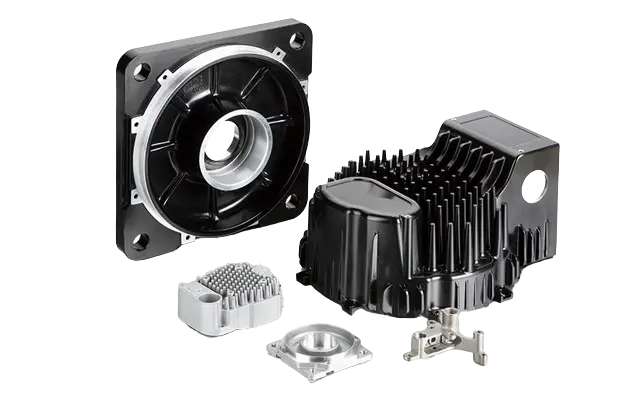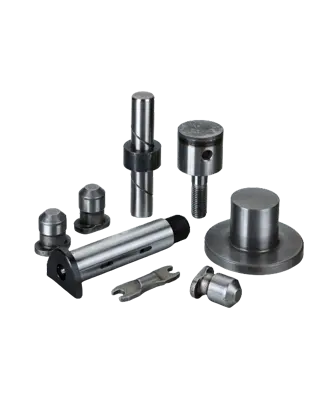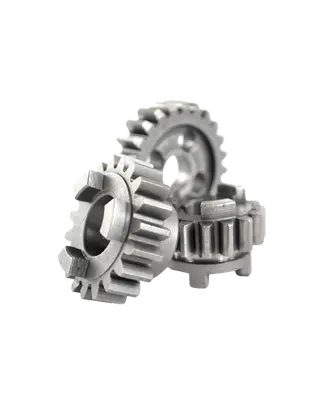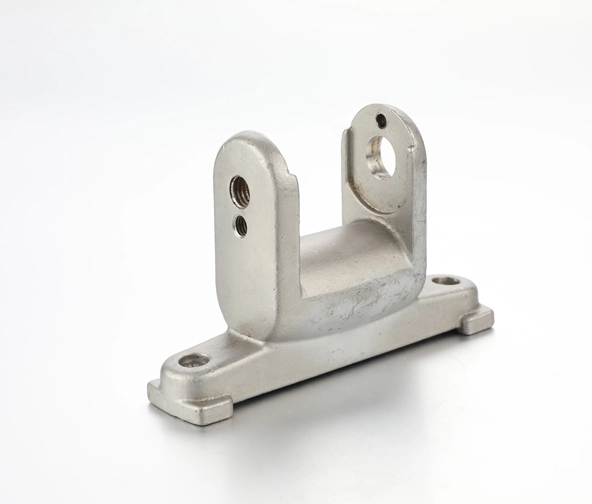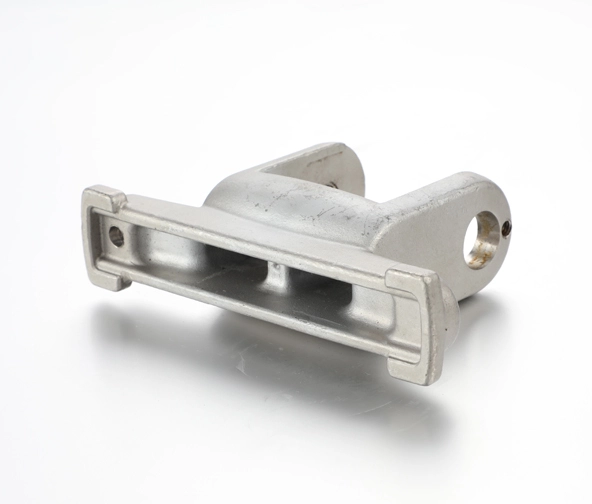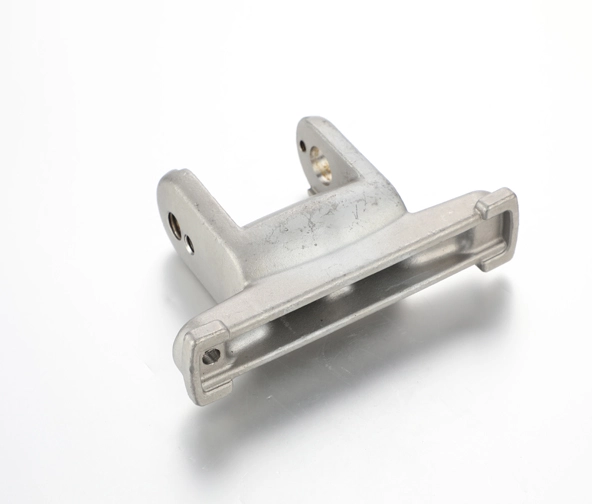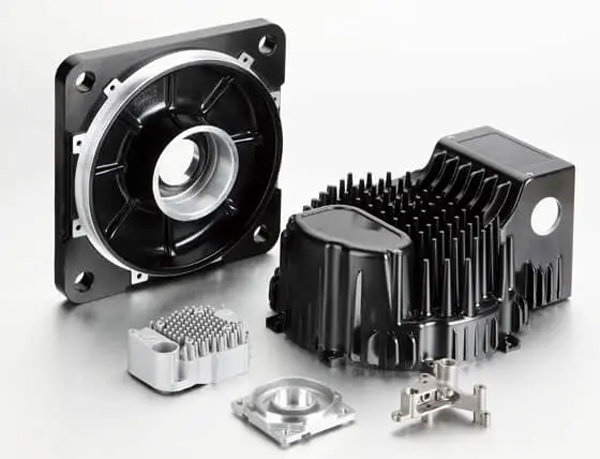
Sand casting is one of the oldest and most versatile metal casting processes, dating back thousands of years. This method involves creating a mold from a sand mixture and pouring molten metal into the cavity to form the desired shape. Known for its ability to produce large and complex metal parts with excellent mechanical properties, sand casting machining is widely used in industries such as automotive, aerospace, construction, and heavy machinery. Its cost-effectiveness, scalability, and adaptability to a wide range of metals make sand casting an indispensable technique in modern manufacturing. Explore how automated precision sand casting can meet your production needs with efficiency and precision. BulkTEK excels in precision sand casting, setting the standard among sand casting companies. As one of the top sand casting manufacturers in China, we deliver high-quality, reliable sand casting parts.
Automated sand casting lines, including DISA MATCH 130 and Hunter HMP-20.
Metals (iron, aluminum, bronze).
Max casting size: 1000mm x 1000mm x 500mm. Tolerances: ±0.5mm.
Sand casting is a versatile and widely used metal casting process where molten metal is poured into a mold made of sand to create a solid metal part. The mold is formed by compacting sand around a pattern, which is a replica of the desired part. Once the metal cools and solidifies, the sand mold is broken away, leaving the finished casting.
Quality Management System: ISO 9001:2015 certified, ensuring consistent casting quality.
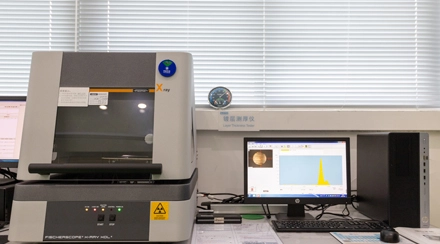
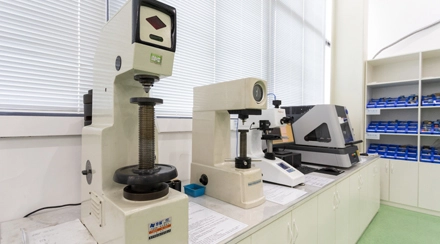
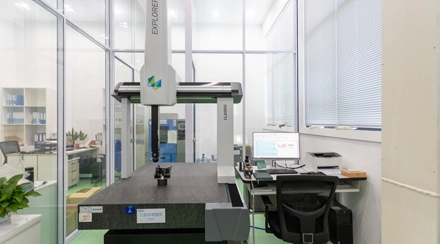
Inspection Equipment: Spectrometers, CMM, and hardness testers.
Quality Assurance Process: Material verification, mold inspection, and final casting inspection using spectrometers and CMM to ensure material composition and dimensional accuracy.
Pattern Creation:
A pattern, typically made of wood, metal, or plastic, is created to form the shape of the final part.
Mold Making:
The pattern is placed in a sand-filled mold box, and sand is packed around it to create the mold cavity.
Core Making:
Cores are used to create internal cavities or complex geometries within the cast part.
Melting and Pouring:
Metal is melted in a furnace and then poured into the mold cavity.
Cooling and Solidification:
The molten metal cools and solidifies within the mold.
Shakeout and Cleaning:
The sand mold is broken away, and the cast part is cleaned and finished.
Pattern: A replica of the desired part, typically made of wood, metal, or plastic. It shapes the mold cavity and includes allowances for shrinkage and machining.
Mold: The sand-based structure that forms the cavity where molten metal is poured. It consists of:
Cope: The top half of the mold.
Drag: The bottom half of the mold.
Sand Mixture: A blend of sand, clay, water, or other binders, packed around the pattern to create the mold.
Core: A sand-based insert placed in the mold to create internal cavities or complex features in the casting.
Gating System: Channels that guide molten metal into the mold cavity, including:
Runners: Pathways for metal flow.
Gates: Entry points where metal enters the cavity.
Sprue: The vertical channel through which metal is poured.
Risers: Reservoirs of molten metal that feed the casting as it cools, compensating for shrinkage.
Mold Box (Flask): A frame, typically metal, that holds the sand mold, split into cope and drag sections.
Molten Metal: The material (e.g., iron, steel, aluminum, or bronze) melted and poured into the mold to form the final part.
Finishing Tools: Equipment used post-casting for cleaning, removing excess material (runners/gates), and refining the part through grinding, machining, or heat treatment.
| Aspect | Die Casting | Sand Casting |
|---|---|---|
| Process | Molten metal is injected under high pressure into a reusable metal mold (die). | Molten metal is poured into a sand mold formed around a pattern. |
| Mold Material | Metal molds, typically steel or aluminum, designed for repeated use. | Sand mixed with binders, forming a single-use mold. |
| Production Speed | Fast, ideal for high-volume production due to quick cycle times. | Slower, better suited for low to medium volumes due to mold preparation time. |
| Surface Finish | Smooth, precise finish with minimal post-processing needed. | Rougher finish, often requiring additional machining or finishing. |
| Dimensional Accuracy | High precision with tight tolerances, suitable for complex, detailed parts. | Lower precision, with larger tolerances due to sand mold variability. |
| Cost | Higher initial costs for metal molds but lower per-unit cost in large runs. | Lower initial costs (sand is inexpensive), ideal for small batches or large parts. |
| Part Complexity | Excels at producing intricate, thin-walled parts with consistent quality. | Handles complex shapes but less suited for very thin or intricate features. |
| Material Range | Primarily used for non-ferrous metals like aluminum, zinc, and magnesium. | Versatile, works with both ferrous and non-ferrous metals (e.g., iron, steel, bronze). |
| Mold Reusability | Reusable metal dies, lasting thousands of cycles. | Sand molds are typically single-use, though sand can often be recycled. |
| Applications | Small, precise parts like automotive components, electronics, or appliances. | Large or custom parts like engine blocks, pump housings, or artistic castings. |
1. Cost-Effectiveness: Sand casting requires relatively low-cost materials (sand, clay, or binders) and reusable patterns, making it economical for both small and large production runs.
2. Versatility: It can cast a wide range of metals, including iron, steel, aluminum, and bronze, and accommodates complex shapes and sizes, from small components to large industrial parts.
3. Flexibility in Design: Sand casting allows for intricate geometries and internal cavities using cores, with patterns easily modified for design changes.
4. Scalability: Suitable for low-volume, custom parts or high-volume production, offering flexibility for different manufacturing needs.
5. Recyclability: Sand used in molds can often be reused, reducing waste and material costs.
6. Wide Material Compatibility: The process supports various alloys, enabling tailored material properties for specific applications.
 English