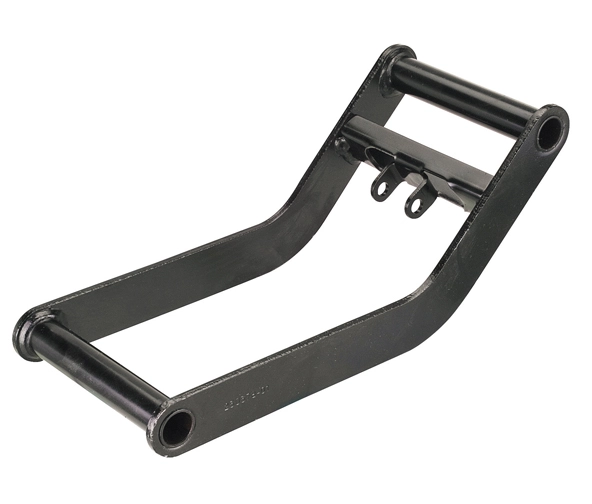
In modern manufacturing, achieving precise dimensions, consistent surface finishes, and reliable component performance is critical across industries such as automotive, aerospace, electronics, and medical devices. Two key processes that support these requirements are machining and grinding. For engineers and production managers, understanding what is the difference between machining and grinding is fundamental to selecting the right process for each component.
At BulkTEK, our extensive experience in advanced processing technologies allows us to deliver high-precision components using both machining and grinding techniques, ensuring optimal results for every application.
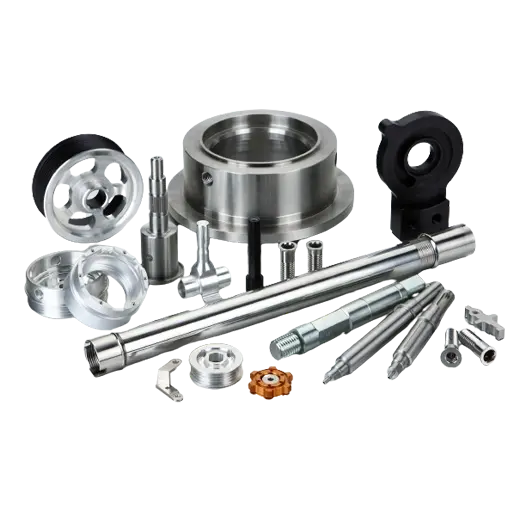
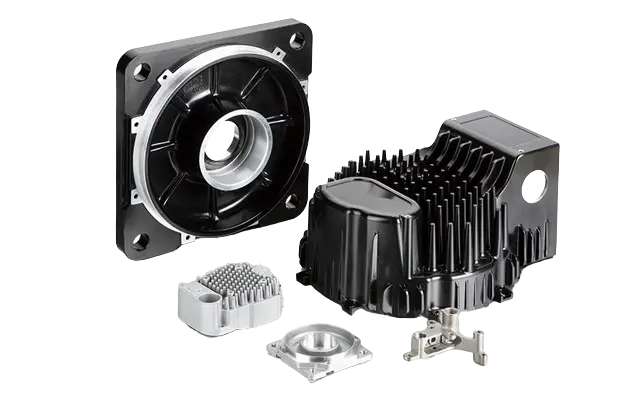
Machining is a subtractive manufacturing process that removes material from a workpiece to achieve the desired shape, size, and tolerances. It encompasses a wide range of techniques, including:
CNC Milling and Turning: Multi-axis operations enabling complex geometries, pockets, threads, and 3D surfaces.
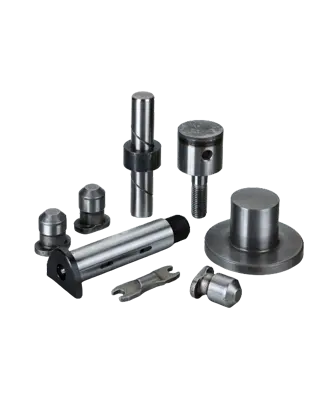
Automatic Lathe Operations: Efficient production of cylindrical components such as shafts, pins, and fasteners.
Drilling, Boring, and Reaming: Produces precise holes with exact diameters and positions.
Machining excels in producing features with geometric complexity and functional surfaces, particularly for low- to medium-volume production.
Grinding is a finishing process that uses an abrasive wheel to remove minute amounts of material, achieving high precision in dimensions, surface finish, and shape. Common grinding techniques include:
Surface Grinding: Produces flat or planar surfaces with high smoothness.
Cylindrical Grinding: Ensures roundness and concentricity for shafts and rods.
Centerless Grinding: Suitable for high-volume rod or pin production.
Profile and Creep Feed Grinding: Creates complex contours with tight tolerances.
Grinding is essential when a component requires micron-level surface finishes, tight dimensional tolerances, or enhanced mechanical properties.
To clearly understand the difference between machining and grinding, consider the following aspects:
| Aspect | Machining | Grinding |
|---|---|---|
| Purpose | Shape and form material | Refine surface, achieve tight tolerances |
| Material Removal | Larger volume per pass | Very fine, controlled removal |
| Tolerance Range | ±0.01 mm to ±0.05 mm | ±0.001 mm to ±0.005 mm |
| Surface Finish | Ra 0.8–3.2 µm typical | Ra 0.1–0.4 µm achievable |
| Complexity | Handles multi-surface and 3D features | Typically finishing surfaces or cylindrical profiles |
| Volume Suitability | Low to medium volume | Medium to high-volume finishing |
| Tooling | Cutters, drills, end mills, inserts | Abrasive wheels, diamond tools |
| Applications | Housings, brackets, automotive parts, prototype components | Shafts, pins, turbine blades, precision dies |
This table illustrates that machining primarily focuses on shaping and functional geometry, while grinding provides precise finishing and enhanced surface quality. In many high-precision industries, these processes are used together to maximize both functionality and accuracy.
Different materials respond differently to machining and grinding, influencing process selection:
Machining can handle a broad range of materials, including:
Aluminum and copper alloys
Stainless steel and tool steel
Titanium and high-performance alloys
Engineering plastics such as POM, PA, and PEEK
Machining is particularly effective for complex geometries where multiple surfaces or features must be created.
Grinding is essential for materials that require high surface integrity or hardening post-treatment:
Hardened steels and tool steels
Superalloys (e.g., Inconel, Hastelloy)
Ceramics and composite materials
High-strength stainless steels
Grinding preserves material properties, improves fatigue resistance, and ensures consistent surface finish, which is critical for aerospace, automotive, and medical components.
Precision requirements often dictate the choice between machining and grinding:
Machining: Achieves tolerances typically within ±0.01–0.05 mm and surface finishes in the range of Ra 0.8–3.2 µm. Ideal for functional geometries that are complex but not extremely tight in surface finish.
Grinding: Achieves tighter tolerances of ±0.001–0.005 mm with surface finishes as smooth as Ra 0.1–0.4 µm. Essential for rotational components, sealing surfaces, or parts exposed to high fatigue stress.
At BulkTEK, combining machining and grinding in sequential operations allows us to meet both geometric complexity and surface quality simultaneously.
The choice between machining and grinding also affects production efficiency and cost:
Machining: Provides flexibility, faster setup for prototypes, and the ability to handle design changes easily. However, machining may be slower for achieving ultra-fine surface finishes.
Grinding: Optimized for repeatability and high-volume finishing. Although setup can be more involved, grinding reduces the need for post-process inspection and rework when tight tolerances are required.
Integrating both processes strategically helps balance cost, cycle time, and quality, particularly in high-precision industries.
Professional machining and grinding services are indispensable across multiple sectors:
| Industry | Machining Applications | Grinding Applications |
|---|---|---|
| Automotive | Housings, engine brackets, shafts | Transmission shafts, camshafts, valve seats |
| Aerospace | Structural components, turbine brackets | Turbine blades, landing gear shafts, high-precision fasteners |
| Medical Devices | Surgical instruments, implants | Orthopedic implants, dental components, precision surgical tips |
| Electronics | Connectors, enclosures | High-precision pins, miniature shafts, semiconductor tooling |
By combining machining and grinding, BulkTEK ensures that every component meets functional, geometric, and surface requirements critical for performance and safety.
High-precision industries cannot rely solely on machines—they require skilled operators, engineers, and process optimization to ensure consistent results. Key benefits of professional machining and grinding services include:
Dimensional Accuracy: Guaranteed compliance with tight tolerances.
Enhanced Surface Integrity: Reduces friction, wear, and fatigue risk.
Process Efficiency: Optimal sequencing minimizes cycle time and reduces scrap.
Material Optimization: Protects mechanical properties and prevents workpiece damage.
Regulatory Compliance: Ensures adherence to ISO, ASTM, and industry-specific standards.
Professional expertise is essential to avoid costly defects, downtime, and non-compliance in high-value production.
Understanding what is the difference between machining and grinding is crucial for selecting the right approach for each component. Machining provides versatility and the ability to create complex geometries, while grinding ensures precise dimensions, exceptional surface finishes, and high repeatability.
At BulkTEK, we combine advanced CNC machining, automatic lathe operations, and specialized grinding services to deliver components that meet the most stringent standards in automotive, aerospace, medical, and electronics industries. By leveraging professional expertise and modern processing technologies, we enable high-precision industries to achieve reliability, efficiency, and superior product performance.
Investing in professional machining and grinding services is not optional in today’s high-precision world—it is a critical factor in achieving consistent quality, operational efficiency, and long-term competitiveness.
This is the first one.
 English