In modern material manufacturing, custom calendering has become a critical process for producing high-performance sheets, films, and coated materials with precise thickness and surface quality. Whether in plastics, rubber, or composites, calendering enables manufacturers to achieve consistent results at scale while maintaining strict tolerances.
This guide explains everything you need to know about custom calendering, including the calendering process, benefits, applications, and why companies choose advanced providers like BulkTEK.
Custom calendering refers to a tailored material processing technique where materials such as plastic, rubber, or composites are passed through a series of rollers to achieve specific thickness, surface finish, and mechanical properties.
Unlike standard calendering, custom calendering focuses on:
Precise thickness control
Customized surface textures (smooth, embossed, matte)
Material-specific processing conditions
Application-driven performance
The process is widely used to create uniform sheets or films with consistent quality across industries.
The calendering process is a continuous manufacturing method where material is compressed and shaped between rotating rollers.
| Step | Description |
|---|---|
| Material Preparation | Raw material is blended and pre-heated |
| Feeding | Material enters the roller system |
| Rolling | Multiple rollers apply pressure and heat |
| Thickness Control | Roller gaps determine final thickness |
| Surface Finishing | Smooth or textured rollers shape surface |
| Cooling | Material solidifies and stabilizes |
| Cutting/Winding | Final product is cut or rolled |
This process ensures high precision and uniformity, making it ideal for industrial-scale production.
Material passes through a controlled gap (“nip”) between rollers, where pressure and temperature define its final properties.
Custom calendering offers significant advantages over traditional forming methods:
Precise roller control ensures consistent thickness across the entire material.
Produces smooth, glossy, matte, or embossed finishes.
Continuous processing enables large-scale output with minimal waste.
Works with:
Thermoplastics (PVC, PE)
Rubber compounds
Composite materials
Optimized material usage reduces production costs.
Real-time monitoring ensures fewer defects and tighter tolerances.
Custom calendering is used across a wide range of industries:
Conveyor belts and rubber sheets
Insulation materials
Composite laminates
Interior components
Sealing materials
Soundproofing layers
Flexible films
Barrier materials
Vinyl flooring
Wall coverings
Waterproof membranes
Coated fabrics
Synthetic leather
These applications rely on the process’s ability to produce uniform, high-quality sheets and films.
BulkTEK offers a high-precision custom calendering service designed for industrial performance and reliability.
Advanced Equipment: Multi-roll calendering lines (Farrel FCM, Comerio Ercole)
High Precision: Tolerances up to ±0.05 mm
Wide Material Support: Plastics, rubber, composites
Large Capacity: Sheet width up to 2000 mm
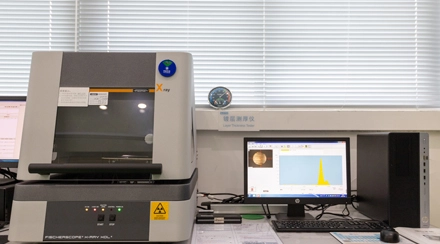
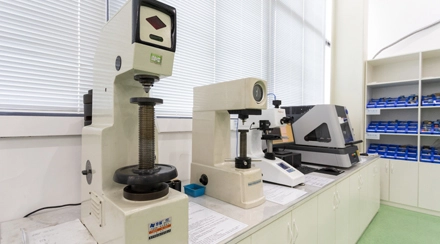
Strict Quality Control: ISO 9001-certified processes
BulkTEK combines technical expertise and modern equipment to deliver consistent, customized solutions for both small and large-scale production.
Calendering is a controlled multi-roll process focused on precision sheets, while rolling is generally used for metal deformation.
The main types include plastic calendering, rubber calendering, textile calendering, embossing, and composite calendering.
Common materials include thermoplastics (PVC, PE), rubber, silicone, and composite materials.
Custom calendering is a highly versatile and precise manufacturing process that plays a vital role in producing modern materials. By enabling tight thickness control, superior surface quality, and scalable production, it remains essential across industries.
For companies seeking precision, efficiency, and customization, BulkTEK’s advanced calendering solutions provide a competitive advantage.
 English