Precision sand casting is one of the most versatile and widely used metal forming technologies in modern manufacturing. It combines the flexibility of traditional sand casting with improved dimensional accuracy, surface quality, and machining compatibility—making it a preferred solution for industries requiring complex, durable, and cost-effective metal components.
Unlike conventional casting methods, precision sand casting focuses on tighter tolerances, better repeatability, and post-processing optimization such as sand casting machining, enabling manufacturers to achieve near-net-shape components with reduced waste and improved performance.
This article explores what precision sand casting is, how it works, its applications, benefits, and why industries rely on professional sand casting suppliers like BulkTek for consistent production quality.
Precision sand casting is an advanced form of traditional sand casting that uses refined molding materials, controlled processes, and enhanced quality control systems to produce metal parts with higher dimensional accuracy and better surface finishes.
According to industry definitions, sand casting uses sand molds to shape molten metal into solid components after cooling and solidification, making it one of the oldest and most flexible casting methods in manufacturing.
Precision sand casting improves upon this traditional process by incorporating:
Fine-grain or resin-bonded sand systems
CNC-machined or highly accurate patterns
Controlled mold compaction
Advanced pouring and cooling techniques
Post-casting machining and inspection
This results in sand casting parts that require less finishing and deliver higher functional reliability.
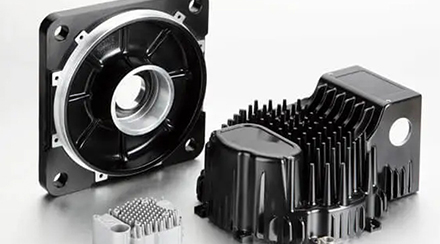
The precision sand casting process involves several carefully controlled stages designed to ensure accuracy and repeatability:
A high-precision pattern (often CNC-machined or 3D printed) is created based on the final part geometry. This defines the cavity shape of the mold.
Special sand mixtures (often resin-bonded or chemically bonded sand) are packed around the pattern to form a durable mold.
Cores are inserted to create internal cavities such as hollow sections or channels.
Metals such as iron, steel, aluminum, or bronze are melted and poured into the mold cavity.
The molten metal is left to solidify under controlled conditions to minimize shrinkage defects and porosity.
The sand mold is broken away, revealing the raw casting.
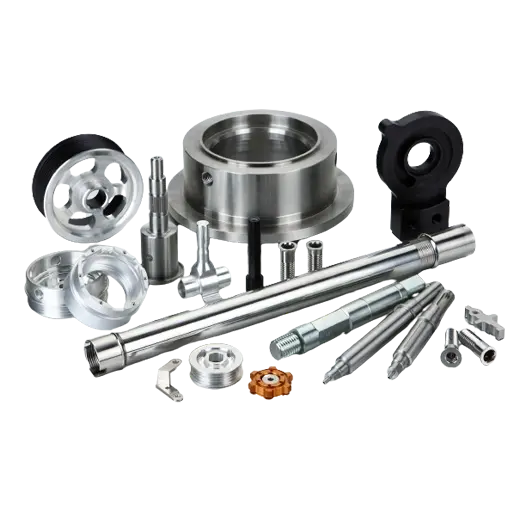
Final precision is achieved through CNC machining, drilling, grinding, or surface finishing to meet tight tolerances.
This combination of casting + machining is what differentiates precision sand casting from standard sand casting.
Precision sand casting is widely used across industries that require durable, complex, and cost-effective metal parts.
Engine blocks
Transmission housings
Brake components
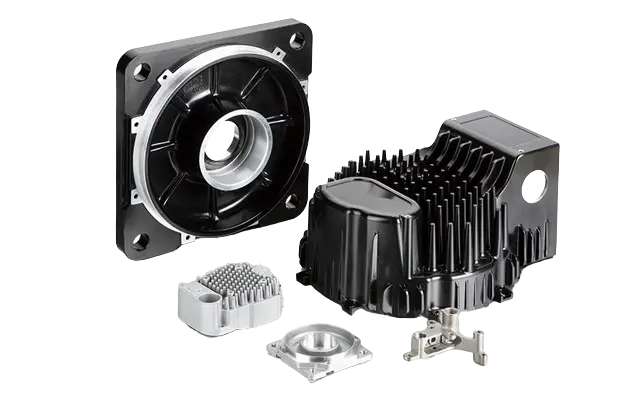
Pump housings
Gearbox casings
Compressor parts
Hydraulic housings
Structural brackets
Heavy-duty connectors
Turbine components
Valve bodies
Generator parts
Structural castings
Corrosion-resistant housings
High-temperature components
Sand casting is especially valued because it can produce parts ranging from very small components to extremely large industrial castings.
Precision sand casting offers a combination of cost efficiency and engineering flexibility that few other manufacturing methods can match.
Complex geometries, internal channels, and thick-to-thin wall transitions can be easily achieved.
Tooling costs are significantly lower compared to die casting or forging, making it ideal for scalable production.
Supports a wide range of metals, including:
Aluminum alloys
Cast iron
Carbon steel
Stainless steel
Better tolerances reduce downstream machining requirements.
Produces durable parts suitable for high-load industrial environments.
Suitable for both small-batch and mass production needs.
Selecting reliable sand casting suppliers is essential for achieving consistent quality and performance.
A professional supplier like BulkTek ensures:
Controlled sand quality and molding consistency
Advanced pattern engineering
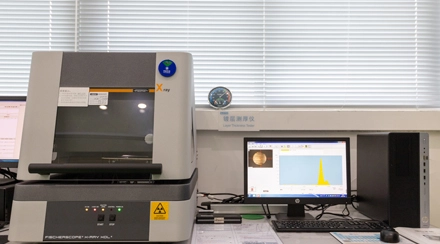
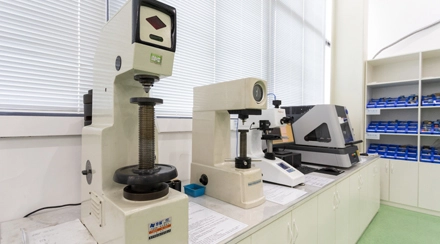
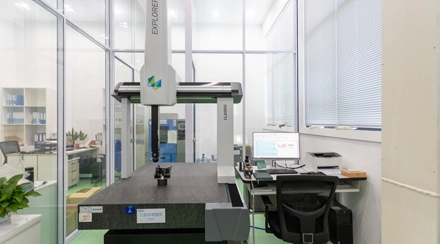
Dimensional inspection and quality assurance
CNC machining integration
Material traceability
Scalable production capacity
These factors are crucial for industries where part failure is not an option.
Most commonly aluminum alloys, cast iron, carbon steel, stainless steel, and bronze are used depending on application requirements.
It offers better accuracy than traditional sand casting but is generally less precise than investment casting or CNC machining alone.
Automotive, construction, energy, marine, and industrial machinery industries are the primary users.
Precision sand casting remains a cornerstone of modern industrial manufacturing due to its balance of flexibility, affordability, and engineering performance. With improved molding techniques and integrated sand casting machining, it has evolved into a high-precision solution suitable for demanding industries such as automotive, energy, and heavy machinery.
For companies seeking reliable production partners, experienced sand casting suppliers like BulkTek provide the engineering capability, consistency, and scalability required for global manufacturing success.
 English