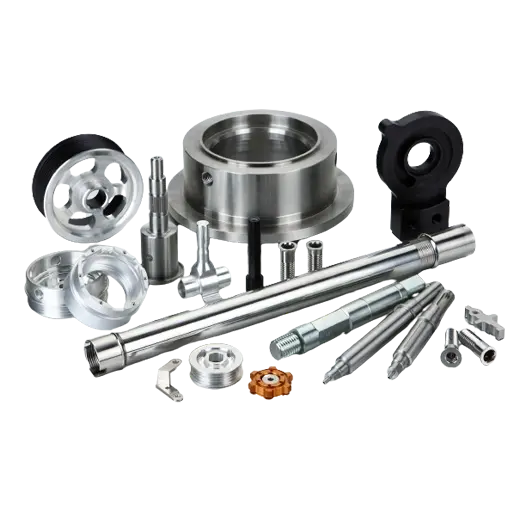
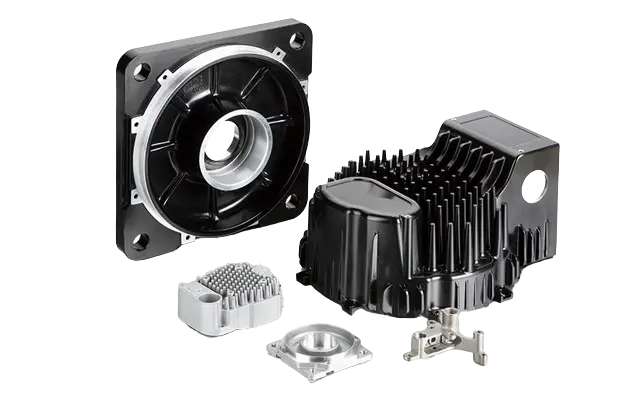
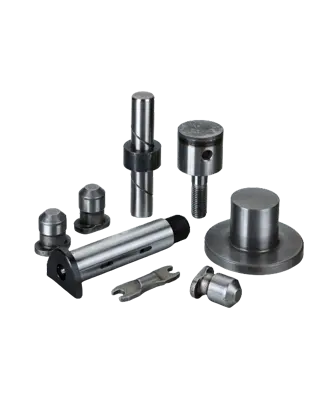
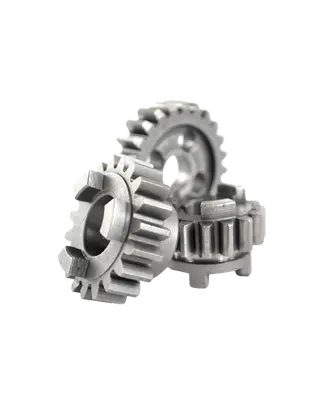
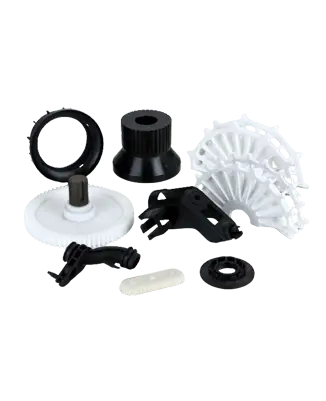
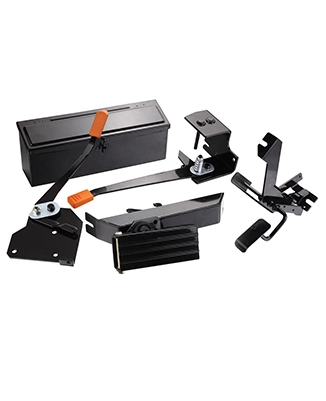
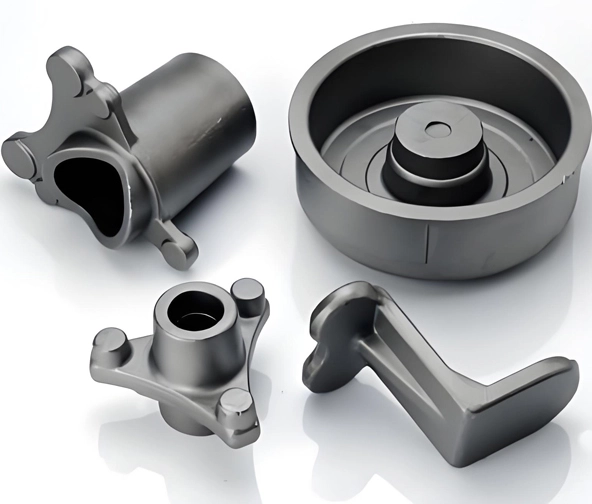
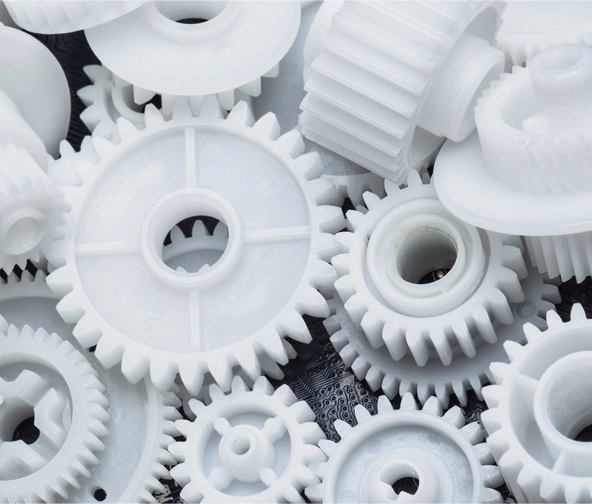
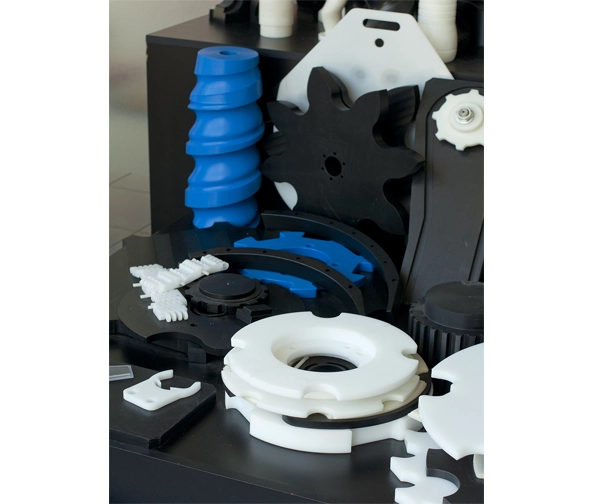
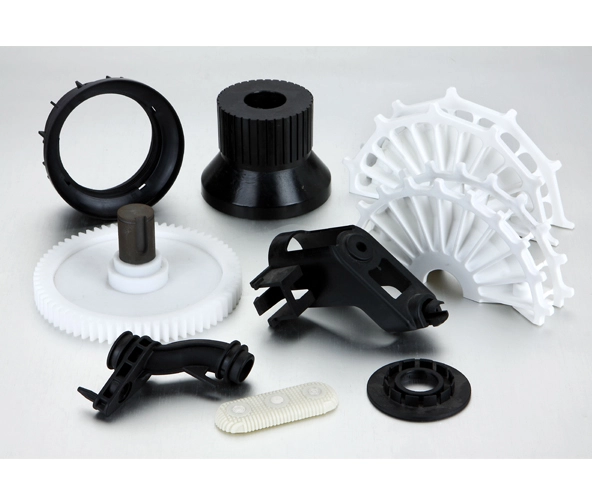
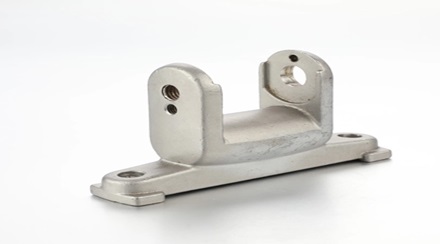
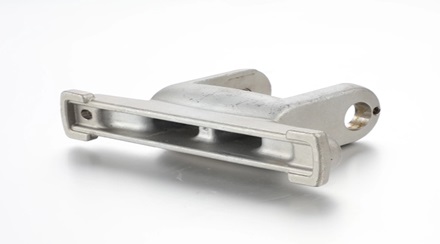
High precision investment casting, also known as the lost-wax casting technique, plays a significant role in modern industrial manufacturing. This technology, with its unique advantages of minimal to no machining, is widely used in the precise casting of various alloys, particularly excelling in dimensional accuracy and surface quality. From precision instruments to complex large-scale mechanical components, high precision investment casting meets the needs for high-precision, high-quality castings across numerous industries. It has become a key to enhancing product quality and manufacturing efficiency. The core competitive edge lies in the high-precision wax pattern production capability and highly customizable solutions. Through precise mold design and manufacturing processes, the dimensional accuracy and consistency of the wax patterns are ensured, providing a solid foundation for the subsequent casting process.
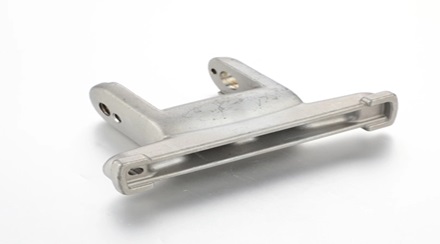
High precision investment casting technology is not only suitable for a variety of casting metal materials, but its flexibility in the wax pattern production process also showcases strong customization capabilities, further expanding its application range.
Aerospace Industry: It is used to manufacture lightweight, high-precision components that ensure the safety and performance of aircraft.
Automotive Industry: The technology is used to create precision engine parts, ensuring vehicle efficiency and reliability.
Industrial Automation: High precision investment casting is employed to produce key components for robots, precision instruments, and other equipment, ensuring performance and stability.
In addition to these sectors, high precision investment casting is also widely applied in mechanical manufacturing, power generation, rail transportation, and the arts and crafts industries. It is used for producing complex structures, large-size thin-walled products, and more.
Intensified Market Competition
In the future, demand for castings will stabilize. On the international front, global manufacturing growth remains weak, and the "reindustrialization" efforts in Europe and North America are drawing mid- to high-end manufacturing back to these regions, while trade frictions are increasing export costs. Meanwhile, developing countries are accelerating the adoption of industry transfer. Domestic casting companies are establishing new factories in countries along the "Belt and Road" initiative. Facing limited domestic demand growth and a slowing international market, market competition is expected to intensify.
Acceleration of Smart Manufacturing and Industry Upgrades
In the context of the digital economy and the integration of industrial informatization, the high precision investment casting industry must accelerate the integration with new-generation information technology to improve efficiency, management levels, and transformation. Additionally, with the rising labor costs and the difficulties in hiring workers, the casting industry urgently needs to adopt automation and intelligent technologies, such as robotic automation in key positions and optimization of production management. These measures will reduce costs, improve quality, enhance efficiency, and reduce labor intensity.
Green Casting
Although environmental management levels in high precision investment casting enterprises have improved, they still face difficulties in fully meeting increasingly stringent national environmental regulations. Currently, high precision investment casting companies are dealing with more rigorous pollution discharge standards and higher monitoring requirements. With enhanced environmental supervision, companies will need to intensify pollution control efforts and improve environmental management. The industry will see more green casting companies emerge, while some businesses that fail to meet the new environmental standards will face elimination. In recent years, many companies have already begun applying advanced technologies to control waste gas emissions.
 English