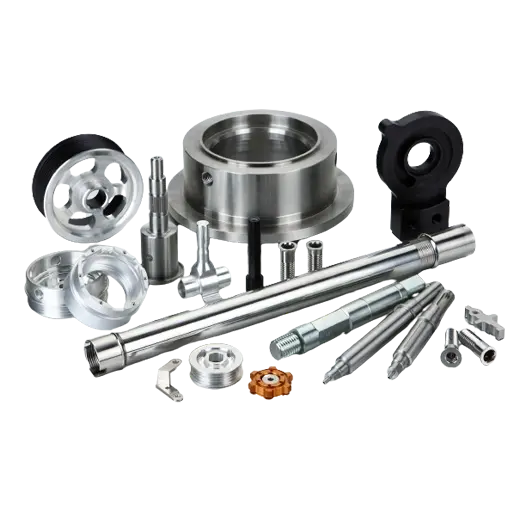
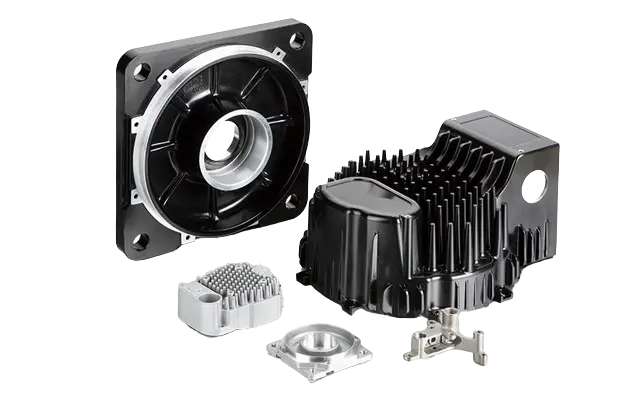
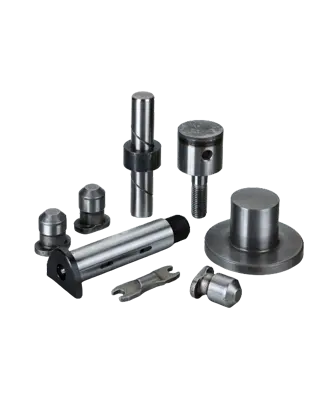
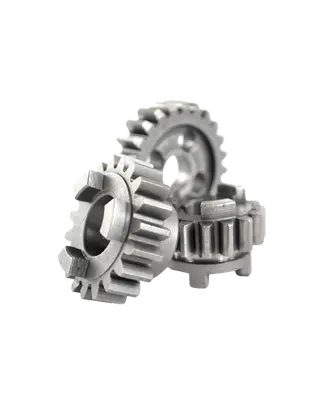
In modern manufacturing, strength, durability, and precision are critical requirements for industrial components. From automotive crankshafts to heavy machinery gears, forged metal parts play a key role in ensuring long-term performance and safety. Among the many metal forming processes available today, custom hot forging remains one of the most reliable and cost-effective solutions for producing high-strength components at scale.
However, choosing the right forging solution is not simply about finding a supplier with the lowest price. Businesses must evaluate material selection, production capabilities, tolerances, quality systems, engineering support, and long-term manufacturing reliability. Choosing the wrong partner can lead to defects, delays, increased costs, and product failures.
This guide explains everything buyers need to know about selecting the best custom hot forging solution and working with a trusted hot forging manufacturer like BulkTEK.
Custom hot forging is a metal forming process in which heated metal is shaped under high pressure using forging dies specifically designed for a customer’s component requirements. During the process, metal is heated above its recrystallization temperature, making it more ductile and easier to form into complex geometries.
Unlike standard off-the-shelf forgings, custom hot forging focuses on producing unique parts tailored to specific applications, dimensions, materials, and performance requirements.
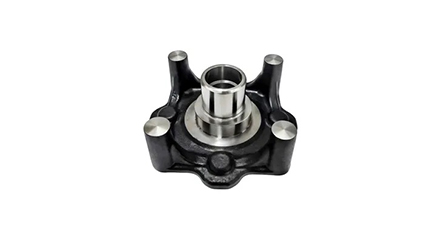
Understanding the forging process helps buyers evaluate whether a manufacturer has the technical capabilities necessary for high-quality production.
The process begins with selecting the appropriate metal material based on application requirements. Common forging materials include:
Carbon steel
Alloy steel
Stainless steel
Aluminum alloys
Brass
Titanium alloys
The choice of material directly affects strength, corrosion resistance, machinability, and cost.
The raw metal billet or bar is heated in a furnace to a high temperature, typically between:
Steel: 950°C–1250°C
Aluminum: 350°C–500°C
Heating improves plasticity and reduces deformation resistance.
The heated metal is placed into forging dies and compressed using:
Mechanical presses
Hydraulic presses
Hammer forging equipment
The metal flows into the die cavity to form the desired shape.
Excess material (flash) is removed, and the forged component undergoes:
Heat treatment
Machining
Surface finishing
Shot blasting
Quality inspection
The result is a high-strength forged component with excellent dimensional consistency.
Choosing the right hot forging manufacturer involves more than comparing prices. Here are the most important factors to consider.
Choose a supplier with strong experience in hot forging, die design, heat treatment, and machining. Experienced manufacturers can improve quality and reduce production risks.
A good supplier should provide design optimization, material recommendations, and cost-saving solutions. Companies like BulkTEK can help improve both product performance and manufacturing efficiency.
Verify the supplier’s experience with materials such as carbon steel, stainless steel, aluminum, and alloy steel to ensure reliable product quality.
Check whether the manufacturer has sufficient forging equipment, machining capability, and heat treatment facilities to support your order volume and delivery schedule.
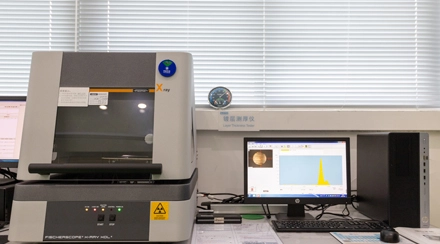
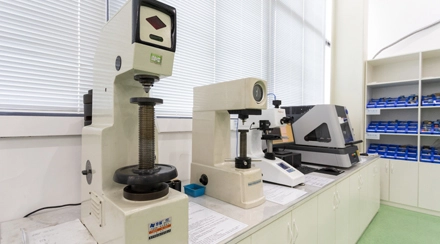
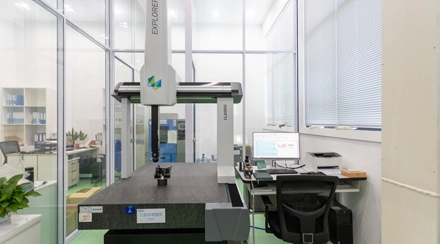
A reliable hot forging manufacturer should offer strict quality inspection, material traceability, and testing services to ensure consistent product performance.
Strong die and tooling capabilities help improve precision, reduce defects, and lower long-term production costs.
Suppliers that provide CNC machining, heat treatment, and surface finishing can simplify production and reduce outsourcing costs.
Choose a supplier with stable production planning, export experience, and reliable logistics support to ensure on-time delivery.
As a professional hot forging manufacturer, BulkTEK provides custom forging solutions with reliable quality and stable delivery.
BulkTEK offers:
Custom hot forging services
CNC machining and heat treatment
Engineering and design support
Strict quality control
Global export experience
Its experience in automotive, construction, mining, and industrial applications helps customers obtain durable and cost-effective hot forging parts.
Choosing the right custom hot forging solution requires careful evaluation of manufacturing capability, engineering expertise, quality control, material knowledge, and long-term supply reliability.
The best forging supplier is not simply the cheapest option — it is the partner that can consistently deliver high-quality forged components that meet your technical and commercial requirements.
As an experienced hot forging manufacturer, BulkTEK provides comprehensive forging solutions backed by engineering expertise, advanced manufacturing equipment, and strict quality management systems.
For companies seeking durable, cost-effective, and precision-engineered hot forging parts, working with an experienced supplier like BulkTEK can significantly improve both product performance and supply chain stability.
Many metals can be forged, including carbon steel, alloy steel, stainless steel, aluminum, brass, copper, and titanium alloys. The best material depends on the required strength, corrosion resistance, operating temperature, and application environment.
Hot forging is performed at elevated temperatures, making metal easier to shape and suitable for larger or more complex components. Cold forging occurs near room temperature and typically provides tighter tolerances and smoother surface finishes but is more limited in deformation capability.
Hot forging parts are widely used in automotive, aerospace, oil & gas, agriculture, mining, railway, marine, and construction industries because forged components provide high strength and long-term durability.
 English