Rubber calendering is a vital process in polymer manufacturing, widely applied in the production of tires, conveyor belts, and various rubber-based products. Rubber calendering refers to the process of forming pre-compounded rubber into sheets or tapes of specific thickness and width using a calendering machine. The core equipment typically includes a calender machine, rubber feeding systems, and cooling devices.
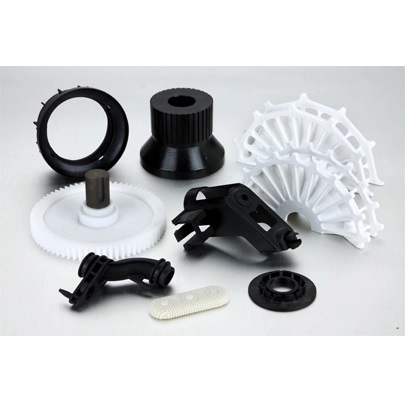
Rubber Calendering Process
In rubber product manufacturing, calendering is the process of forming rubber sheets with a certain thickness, width, or predefined shape, or applying a thin rubber layer to fabric materials. Calendering operations include sheet forming, profiling, coating, frictioning, laminating, thin-pass calendering, and filtering.

Working Principle of Rubber Calendering
When the rubber compound is fed between two rotating calender rolls, the material is drawn into the nip and subjected to pressure that transforms it into a sheet with a desired thickness and width. During calendering, the rubber exhibits both viscous flow and elastic deformation. As such, the calendering process is influenced not only by the flow characteristics of the compound but also by its viscoelastic behavior.
Plastic calendering is a crucial technology in polymer processing, especially for the production of films and sheet materials. Plastic calendering involves passing molten plastic through a series of heated rolls (multi-roll calenders) to form continuous sheets or films with a uniform thickness and surface finish. This process is particularly suited for thermoplastics such as PVC and PE.
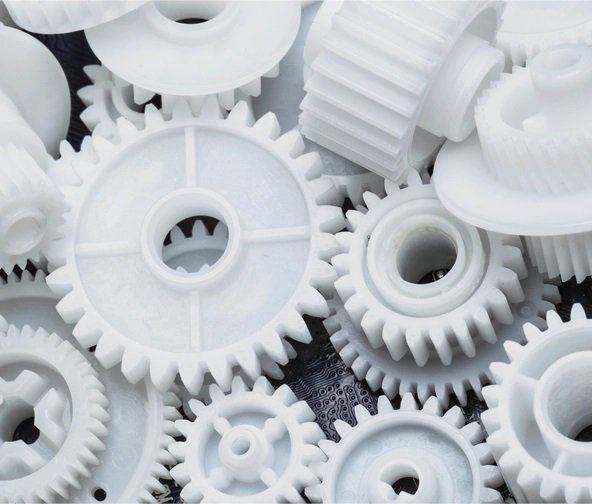
Applications of Plastic Calendering
Plastic calendering is widely used across multiple industries, including:
Packaging materials.
Construction and building products.
Electronics and electrical insulation.
Automotive interior components.
Raw Material Preparation
Select appropriate polymer materials, such as PVC, PE, or other thermoplastics, based on performance and application requirements.
Heating and Melting
Heat the selected raw materials until they reach a fully molten state, ensuring uniform consistency and processability.
Calendering Formation
Feed the molten plastic through a series of calender rolls. Adjust the roll gap and speed to precisely control the thickness, width, and surface quality of the resulting film or sheet.
Cooling and Shaping
Cool the calendered material to stabilize its shape and preserve dimensional accuracy and mechanical properties.
Cutting and Winding
Cut the cooled sheet or film into the required sizes and wind it into rolls for storage, shipping, or further processing.
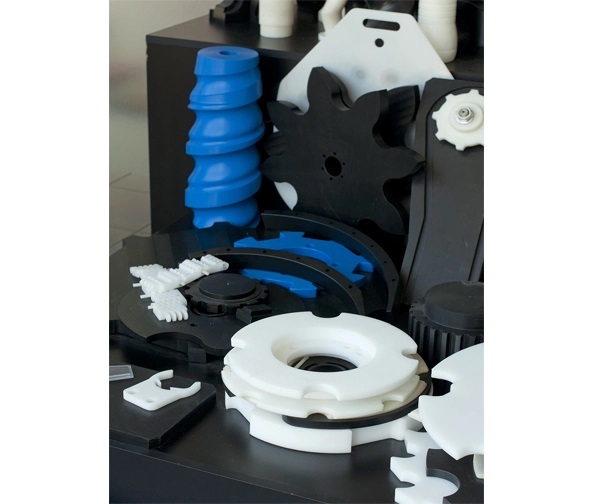
BulkTEK's custom calendering service represents a high-precision manufacturing solution, ideal for processing materials such as plastic and rubber into thin, uniform sheets and films with smooth surfaces. Our custom calendering technology is extensively utilized in packaging, automotive, and textile sectors. Leveraging advanced machinery and cutting-edge technology, BulkTEK ensures consistent quality and precision to meet your unique production requirements. Whether for small-batch custom orders or high-volume industrial needs, our calendering solutions deliver exceptional performance and reliability.
 English