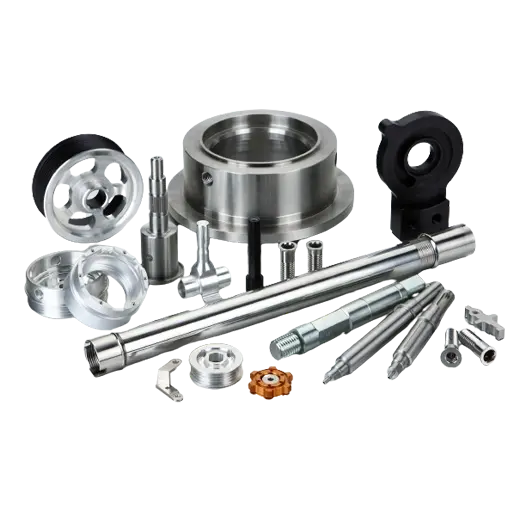
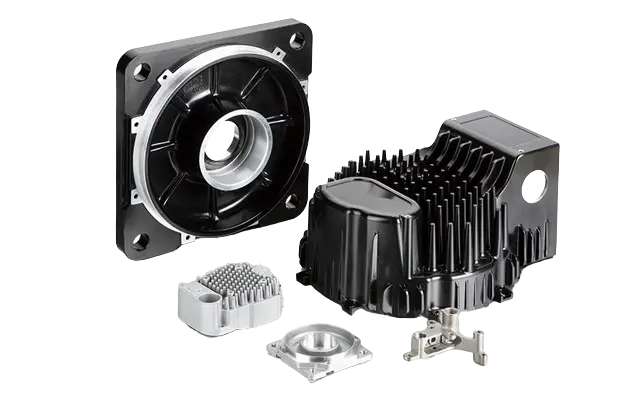
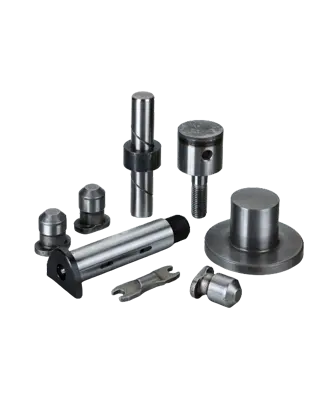
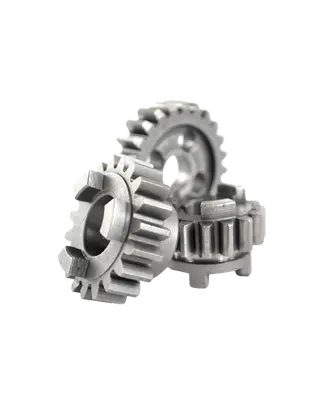
In modern manufacturing, industries demand components that combine exceptional strength, tight tolerances, and cost efficiency. Among the most effective technologies meeting these requirements is precision cold forming.
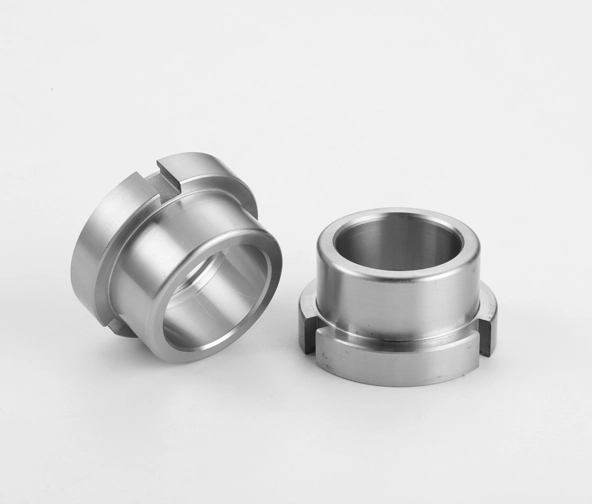
Unlike machining or hot forging, precision cold forming produces near-net-shape metal parts at room temperature through controlled plastic deformation. This makes it one of the most efficient and scalable methods for producing cold forming parts used across automotive, aerospace, industrial machinery, and electronics sectors.
This article explains what precision cold forming is, how it works, its applications, benefits, machinery, and why leading cold forming manufacturers like BulkTEK are driving innovation in this field.
Precision cold forming is a high-pressure metal shaping process performed at or near room temperature. It uses dies and punches to reshape raw metal without melting it.
Instead of cutting material away (like machining), cold forming redistributes metal volume, resulting in stronger and more efficient components.
According to industrial manufacturing principles, cold forming works by pushing metal beyond its yield strength while maintaining structural integrity, producing permanent deformation with minimal waste .
At a leading supplier such as BulkTEK, the process typically includes:
Multi-station cold heading
Cold extrusion
Upsetting and sizing
High-precision die forming
This allows production of complex geometries with extremely tight tolerances.
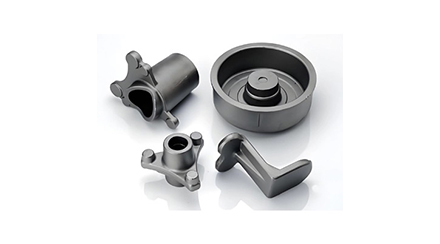
Cold forming is widely used wherever high-volume, high-strength metal parts are required.
Automotive Industry
Bolts, nuts, fasteners
Transmission shafts
Steering and brake components
Aerospace Industry
Rivets and structural fasteners
High-strength connectors
Engine system parts
Industrial Machinery
Hydraulic fittings
Valve components
Mechanical connectors
Electronics & Electrical Systems
Conductive terminals
Precision connectors
Heat-resistant metal parts
Cold forming is especially preferred because it delivers high consistency in mass production environments while reducing material waste .
Precision cold forming has become a cornerstone of modern industrial production due to its efficiency and mechanical benefits.
Superior Strength (Work Hardening Effect)
Cold forming improves metal strength through strain hardening, increasing durability and fatigue resistance.
High Dimensional Accuracy
Because no heat distortion occurs, parts maintain extremely tight tolerances—often within microns.
Minimal Material Waste
The process reshapes metal instead of cutting it, significantly reducing scrap.
High Production Efficiency
Modern cold forming machinery can produce hundreds of parts per minute, making it ideal for large-scale manufacturing .
Excellent Surface Finish
Cold formed parts often require little or no secondary machining.
Lower Production Cost at Scale
Although tooling costs are higher initially, long-term production is highly economical.
Cold forming machinery is designed to apply controlled high pressure to metal blanks (wire, rod, or slug) at room temperature.
Feeding system (coil or bar feed)
Cutting unit
Multi-stage forming dies
High-pressure hydraulic or mechanical press
Ejection system
Metal is cut into precise blanks
Material is transferred into die cavity
High pressure forms the metal into shape
Multi-stage operations refine geometry
Finished part is ejected
Advanced systems can operate continuously for high-volume production, producing consistent parts with minimal deviation.
Selecting the right cold forming manufacturers is critical for achieving precision and cost efficiency.
BulkTEK specializes in industrial-scale cold forming solutions, offering:
Multi-station cold forming systems
High-precision tooling design
Custom cold forming parts engineering
Mass production capabilities
By combining engineering expertise with advanced machinery, BulkTEK delivers consistent performance for industries requiring high-strength precision components.
Not all metals are suitable for cold forming. Ideal materials must have good ductility and deformation properties.
Common materials include:
Carbon steel
Stainless steel
Aluminum alloys
Copper and brass
Nickel-based alloys
Each material selection depends on application requirements such as strength, corrosion resistance, and conductivity.
| Factor | Precision Cold Forming | Machining | Casting |
|---|---|---|---|
| Material Utilization | Excellent | Poor | Moderate |
| Strength | High | Medium | Variable |
| Production Volume | Very high | Low | Medium |
| Cost Efficiency | High at scale | High per unit | Medium |
| Design Complexity | Moderate–High | High | High |
Cold forming stands out as the most efficient solution for mass production of precision metal parts.
High-strength fasteners and drivetrain components.
Lightweight yet durable structural parts.
Hydraulic systems, pumps, and mechanical assemblies.
Precision surgical components requiring tight tolerances.
Precision cold forming focuses on tighter tolerances, higher repeatability, and more complex geometries compared to standard cold forming processes.
Automotive, aerospace, industrial machinery, electronics, and medical industries are the primary users.
Yes, multi-stage die systems allow production of complex geometries with high precision.
Precision cold forming stands out as a highly efficient and reliable manufacturing process, delivering superior strength, accuracy, and cost-effectiveness for high-volume metal components. By eliminating material waste and reducing the need for secondary machining, it offers clear advantages over traditional methods. With advanced cold forming machinery and continuous innovation from leading cold forming manufacturers like BulkTEK, this technology is set to remain a key driver of performance and scalability across industries such as automotive, aerospace, and industrial manufacturing.
 English